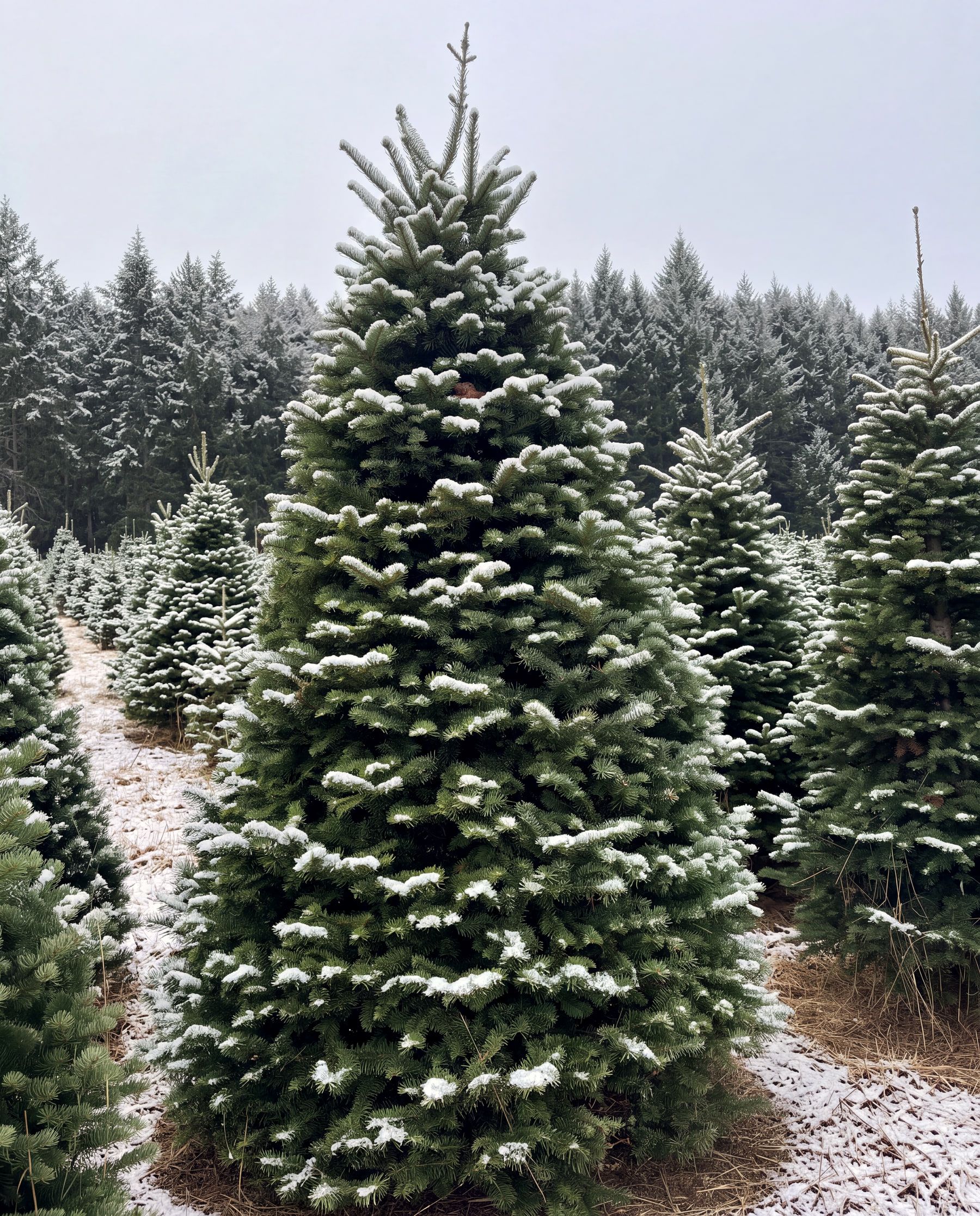
At home
Keeping a fresh-cut tree fresh at home
A fresh cut, water straight away, a stand big enough for the trunk and a daily look at the water: what Oregon State and the Christmas tree growers advise.
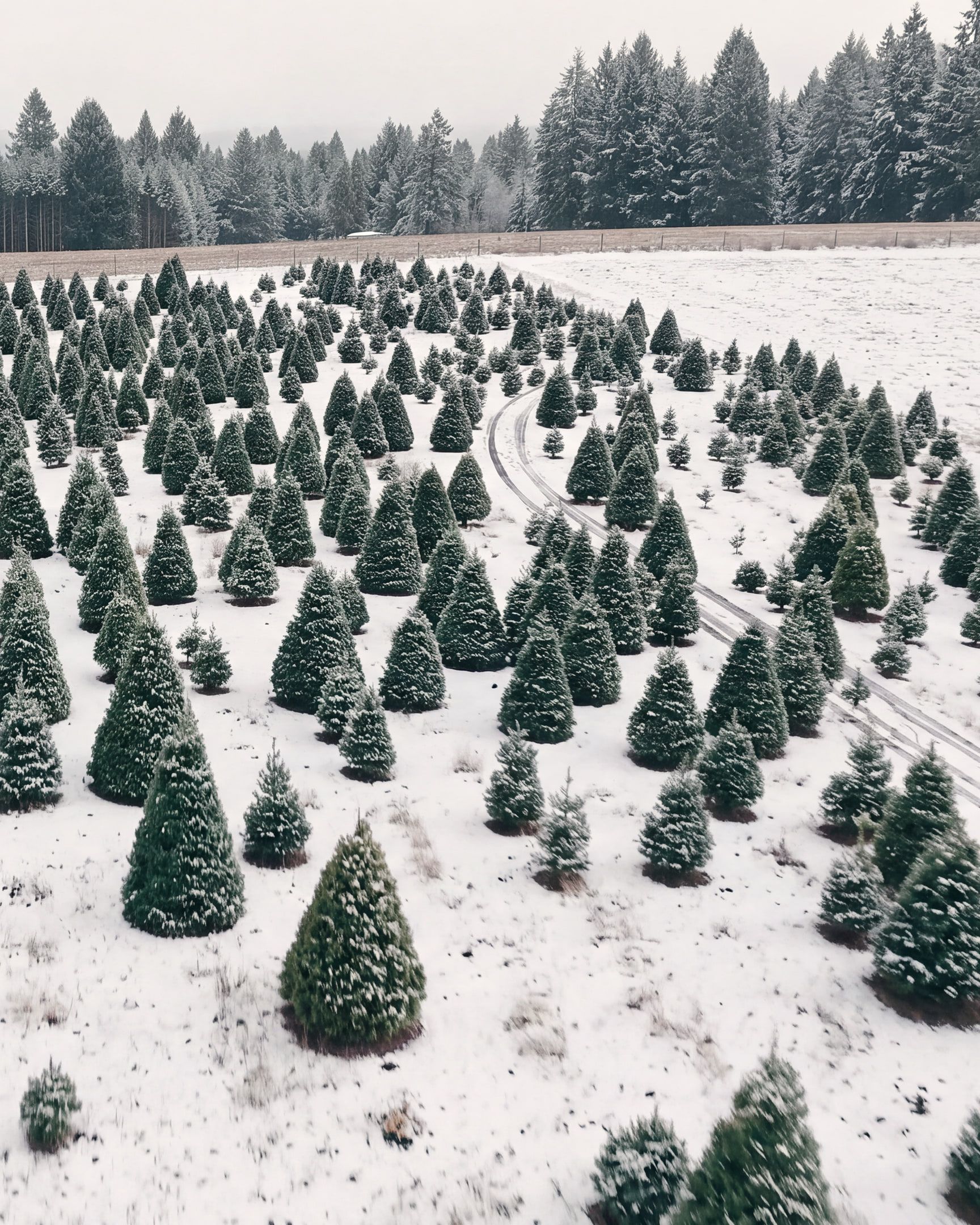
A tree you cut yourself starts the season with almost no time out of the ground. Keeping it that way through the holidays comes down to a few simple habits, most of them in the first hour after you get home.
This is what the specialists say, from Oregon State University Extension and the National Christmas Tree Association.
Make a fresh cut
A fresh cut helps the tree take up water. So before it goes into its stand, take a thin slice off the bottom of the trunk.
- How much: Oregon State’s Christmas tree specialist says a quarter-inch slice is plenty. The National Christmas Tree Association suggests about half an inch.
- Which way: straight across, at a right angle to the trunk. The outer wood carries water best, and a straight cut exposes the most of it. Angled cuts, V-shapes and drilled holes do not help.
- When: the National Christmas Tree Association says most trees can go 6 to 8 hours after cutting and still take up water, and Oregon State’s advice is to recut once more than 24 hours have passed. A tree you cut this morning and stand in water this afternoon is fine as it is. After a long drive, or if it waits until the next day, take the slice off first.
Get it into water straight away
The sooner the tree is in water, the fresher it stays. Have the stand ready, and filled, before you bring the tree inside.
Plain water is all it needs, and the temperature does not matter. Oregon State notes that some additives can actually make a tree shed needles or dry out faster.
Use a stand that is big enough
Both sources give the same rule of thumb: the stand should hold about one quart of water for every inch of trunk diameter. A tree with a 6-inch trunk needs a stand that holds about a gallon and a half.
If your stand is smaller than that, it is worth replacing it, or choosing a slimmer tree. Measure the stand before your visit, and check the trunk in the field. Our guide to choosing a tree covers that.
Check the water every day
A fresh tree is thirsty, especially in its first few days inside a warm house. Look at the stand every day and top it up. Never let the water fall below the bottom of the trunk.
If the stand does run dry, most trees will recover once refilled, as long as it has not been dry for long. Oregon State suggests that for most species that means within a day, and for grand fir, perhaps within 12 hours. Pets drink from tree stands too, which is one more reason to look daily.
Keep it cool
Heat dries a tree out. Place it away from fireplaces, heaters, heat vents and direct sun. Lowering the room temperature a little slows drying, so the tree uses less water each day.
Lights and safety
- Choose low-heat lights, such as miniature lights, which dry the tree less.
- Inspect each set before it goes on the tree, and replace any that are worn.
- Do not overload electrical circuits.
- Turn the lights off when you leave the house or go to bed.
Watch the tree as the season goes on. If it becomes very dry, take it out of the house. And never burn any part of a Christmas tree in a wood stove or fireplace.
More help
Our family’s other business, the Medford Family Christmas Tree Lot, keeps a detailed tree-care guide that is worth a read once your tree is home.
Sources: Oregon State University, Christmas tree care advice from Extension specialist Chal Landgren; National Christmas Tree Association, care tips.